

 See My Latest Article on HelloNation
Uneven temperatures are common in homes with multiple floors, additions, older ductwork, drafty windows, or rooms that receive very different amounts of sunlight. Before changing thermostat settings repeatedly, identify whether the problem comes from airflow, insulation, sunlight, equipment operation, or the way the home is being used.
Why does one room feel colder or warmer than the rest of the house?
The most common reason is that heated or cooled air is not reaching every room equally. A distant bedroom may receive less airflow than a nearby living area, while an upstairs room may gain heat through the ceiling or roof during sunny weather.
Other common causes include:
- Closed or blocked supply registers
- Dirty return-air grilles
- Furniture covering vents
- Leaky or poorly insulated ductwork
- Drafts around windows and doors
- Inadequate insulation in attics, walls, floors, or crawlspaces
- Thermostat placement that does not represent the rest of the home
- A system that is too large, too small, or unable to maintain airflow
- Different sun exposure between rooms
Homes in Massillon often experience cold winter conditions, rapid temperature changes during spring and fall, and humid summer weather. Those seasonal swings can make weaknesses in insulation, air sealing, and duct distribution more noticeable.
What should be checked first?
Start with the simple airflow problems that can be corrected safely without opening equipment or changing electrical connections.
Walk through the home and check every supply register. Make sure each one is open and not covered by rugs, curtains, storage bins, or furniture. A register may be open but still ineffective if air cannot circulate freely into the room.
Next, inspect return-air grilles. Returns are often located in hallways, stairwells, or larger rooms. Keep several feet of space around them when possible. A blocked return can reduce circulation and make rooms feel stuffy, even if the furnace or air conditioner is running normally.
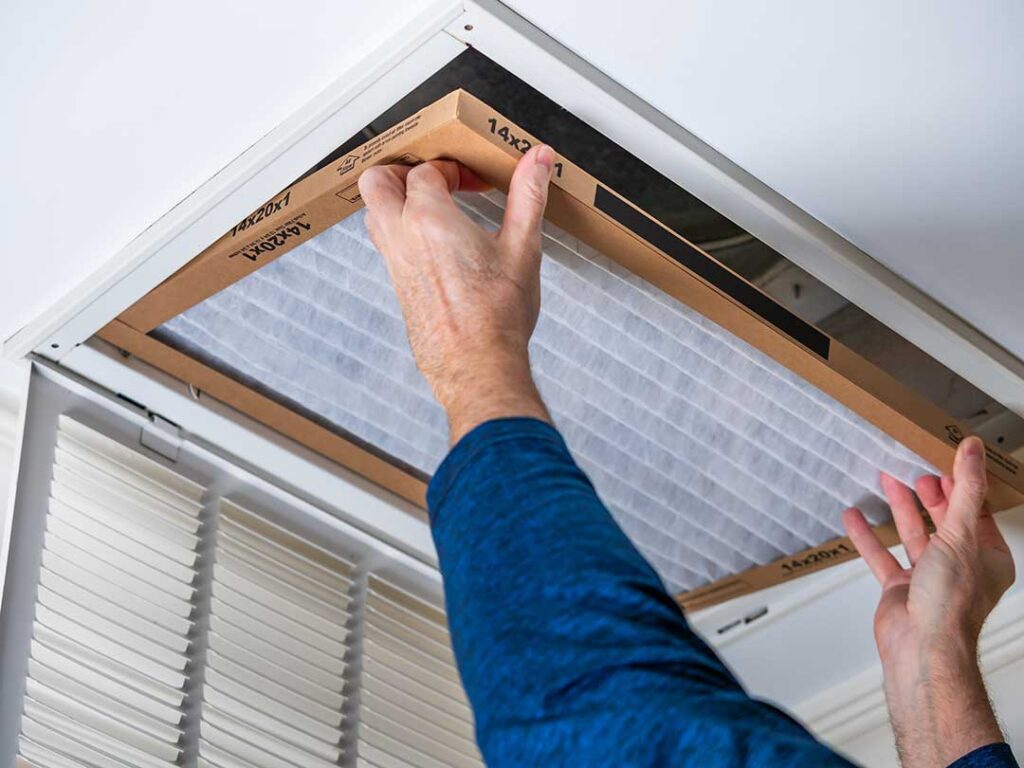
Check the filter as well. A heavily loaded filter restricts airflow and can reduce the amount of conditioned air delivered throughout the home. Follow the filter manufacturer’s replacement guidance, especially during periods of frequent heating or cooling.
A simple test is to hold a tissue near a supply register while the system is operating. The tissue should move noticeably, though airflow will vary by room. If one register has much weaker airflow than others, that difference can help narrow the problem to the duct branch serving that area.
Could the thermostat be causing the problem?
Yes. A thermostat measures conditions only where it is installed. If it is located near a drafty exterior door, a sunny window, a kitchen, a supply register, or a frequently used hallway, it may sense a temperature that does not reflect the rest of the home.
For example, a thermostat near a warm kitchen may shut off the heating system while bedrooms remain cold. A thermostat exposed to direct sunlight may do the opposite during the cooling season.
Avoid placing lamps, televisions, portable heaters, or other heat-producing objects directly below or beside the thermostat. Do not use a portable heater to warm the thermostat area unless the goal is specifically to test how the system responds.
If the thermostat reading seems inaccurate, compare it with a separate indoor thermometer placed several feet away from walls, windows, vents, and appliances. A small difference may be normal, but a large or inconsistent difference deserves further investigation.
How can ductwork create uneven temperatures?
Duct problems are especially likely when one room is consistently uncomfortable while the rest of the house is close to the thermostat setting. A disconnected, crushed, undersized, or poorly insulated duct can reduce airflow before it reaches the room.
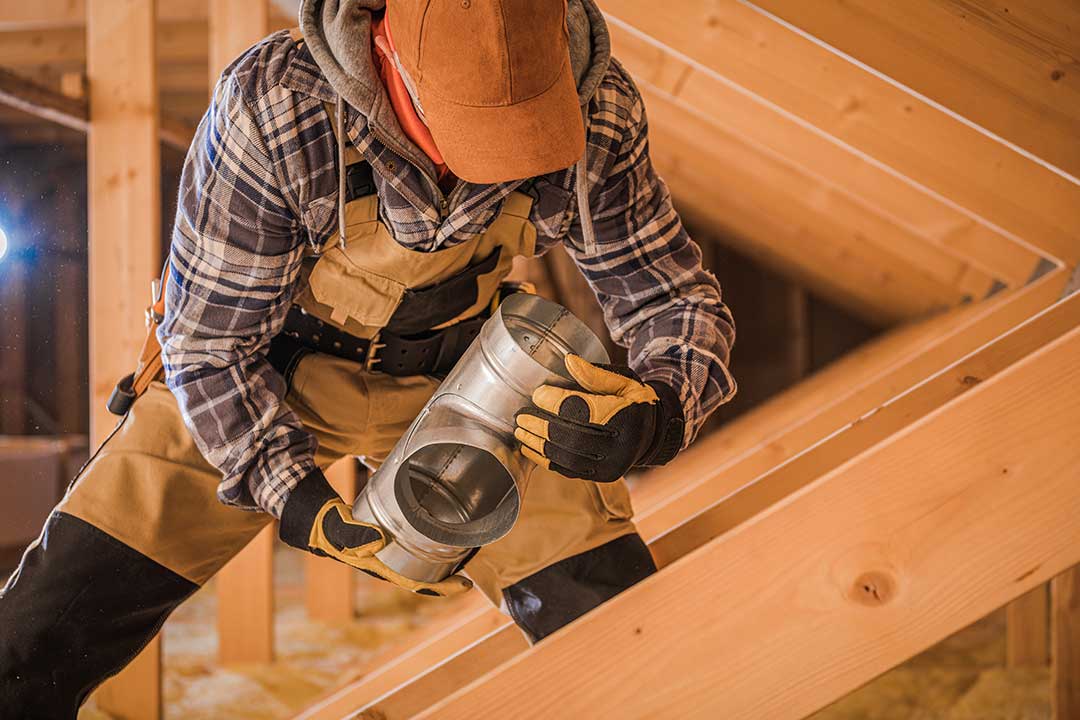
Inspect accessible ductwork in unfinished areas, basements, attics, and utility spaces. Look for:
- Sections that have pulled apart
- Kinks or crushed flexible ducts
- Gaps around connections
- Loose insulation
- Ducts resting against sharp edges
- Unusual whistling or hissing sounds
Do not enter areas that are unsafe or difficult to access. Ductwork near electrical equipment, combustion appliances, or unstable insulation can present hazards.
Closing vents in comfortable rooms is sometimes suggested as a quick fix, but closing too many can increase pressure inside the duct system. That may create noise, reduce total airflow, or contribute to equipment strain. Minor adjustment can be reasonable, but large changes should not be used to compensate for a major duct-design problem.
Why are upper floors often warmer?
Warm air naturally rises, and upper rooms also tend to receive more heat through ceilings and roof assemblies. During summer, sunlight can add substantial heat through windows, especially on the south- and west-facing sides of a home.
Useful steps include:
- Closing blinds or curtains during the hottest part of the day
- Using light-colored or reflective window coverings
- Checking attic insulation and ventilation
- Keeping bedroom doors open when appropriate for air circulation
- Confirming that upstairs supply registers are fully open
- Using ceiling fans to mix air without expecting them to lower the actual room temperature
A ceiling fan makes occupants feel cooler by moving air across the skin. It does not remove heat from the room, so turn it off when the room is unoccupied.
In winter, a ceiling fan operated at a low speed in the reverse direction may help mix warm air that has collected near the ceiling. The fan should not create a strong cooling breeze at floor level.
Could drafts or insulation be the real problem?
If airflow from the register feels normal but the room still loses heat quickly, the building envelope may be responsible. Cold floors, exterior walls, windows, and ceiling surfaces can make a room feel uncomfortable even when the air temperature appears acceptable.
Check for noticeable drafts around:
- Window and door frames
- Baseboards on exterior walls
- Electrical outlets
- Attic access panels
- Plumbing and wiring penetrations
- Fireplaces or unused flues
- Basement rim areas
Weatherstripping and caulk can help with small, accessible air leaks. Do not seal required combustion-air openings, vents, or areas that are designed for drainage or ventilation.
Older homes may have uneven insulation levels because of additions, remodeled rooms, enclosed porches, or areas that were difficult to reach during original construction. A room over an unheated garage, above a porch, or beneath a poorly insulated attic can remain uncomfortable even with adequate heating equipment.
When does uneven temperature suggest an equipment problem?
Uneven temperatures may indicate a system problem when they occur along with weak airflow throughout the home, short cycling, unusual noises, frequent shutdowns, ice on cooling components, burning odors, or a noticeable decline in heating or cooling performance.
Safety concerns require prompt attention. Turn off the system and seek qualified help if there is a strong fuel odor, smoke, scorching, repeated electrical tripping, carbon monoxide alarm activity, or a furnace that produces unusual combustion odors.
A heating system should not be operated with a blocked vent, damaged flue, or suspected carbon monoxide problem. Carbon monoxide alarms should be installed and maintained according to the manufacturer’s instructions, particularly near sleeping areas.
What information should be recorded before further troubleshooting?
Keep notes for several days. Record the room temperature, thermostat setting, outdoor conditions, system operating mode, and time of day. Also note whether the problem occurs during heating, cooling, or both.
Patterns are useful:
- One room is always cold: possible duct, insulation, or air-leak issue
- Upstairs is warm only on sunny days: likely solar gain or attic-related heat
- Several rooms have weak airflow: possible filter, return, duct, or equipment issue
- Temperatures change after doors are closed: possible circulation or return-air limitation
- The problem appears only during extreme weather: possible insulation, sizing, or system-capacity limitation
This information makes troubleshooting more precise and helps separate a room-specific problem from a whole-system issue. A comfortable home does not require every room to have exactly the same temperature, but large, persistent differences usually have an identifiable cause.