

 See My Latest Article on HelloNation
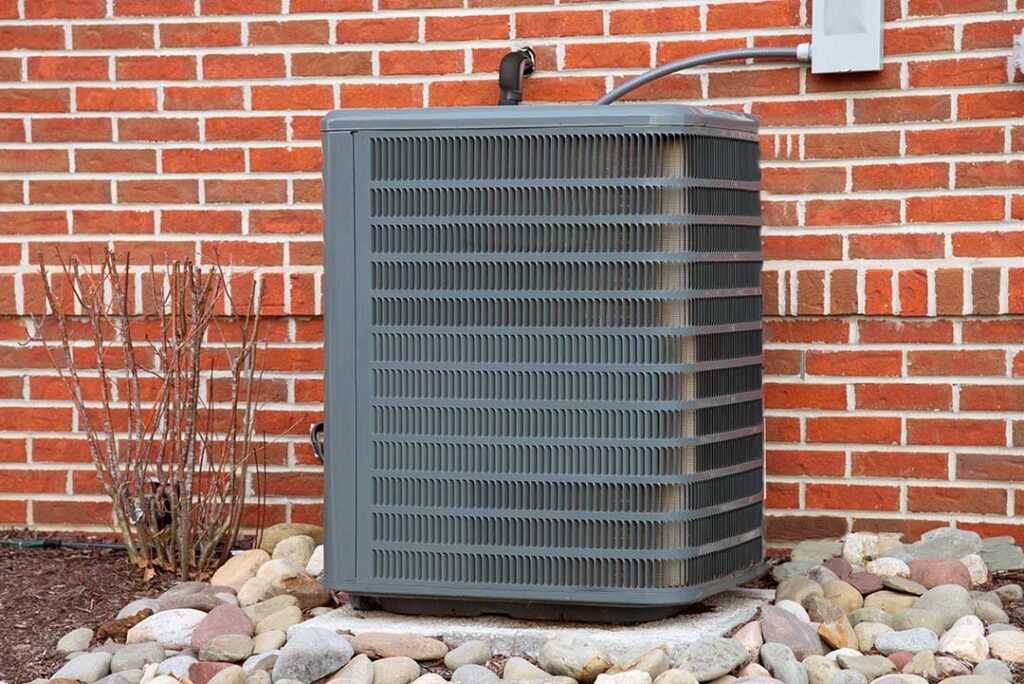
Carbon monoxide, or CO, is a poisonous gas that cannot be seen, smelled, or tasted. In Massillon, OH, the risk is especially relevant during the heating season, when homes rely more heavily on furnaces, fireplaces, water heaters, and other fuel-burning equipment.
The only dependable way to detect carbon monoxide inside a home is with a functioning carbon monoxide alarm. Symptoms, appliance clues, and changes in household conditions can provide warnings, but they should never replace an alarm.
Why is carbon monoxide difficult to detect?
Carbon monoxide forms when fuels do not burn completely. Common sources include natural-gas or oil-fired furnaces, fireplaces, water heaters, gas ranges, portable generators, charcoal grills, vehicles, and gasoline-powered equipment.
Unlike natural gas, carbon monoxide has no added odor. A person may be exposed without noticing anything unusual in the air. CO can also spread through a home from a malfunctioning appliance, blocked vent, damaged chimney, or vehicle operating in an attached garage.
The gas can build up more easily when windows and doors remain closed, which is common during cold weather. Snow, ice, leaves, or other debris can also obstruct an outdoor vent and interfere with the safe release of combustion gases. ([cdc.gov](https://www.cdc.gov/carbon-monoxide/about/?utm_source=openai))
What are the warning signs of carbon monoxide exposure?
Carbon monoxide poisoning often feels like a flu without a fever. Common symptoms include:
- Headache
- Dizziness or weakness
- Nausea or vomiting
- Fatigue
- Shortness of breath
- Chest pain
- Confusion or unusual behavior
Symptoms may affect several people in the household at roughly the same time. They may also improve after leaving the house and return after going back inside. Pets can become ill as well.
Severe exposure can cause loss of coordination, altered mental status, unconsciousness, or death. People who are sleeping, very young, older, or medically vulnerable may not recognize the symptoms before becoming seriously ill. ([cdc.gov](https://www.cdc.gov/carbon-monoxide/about/?utm_source=openai))
Do not try to diagnose the cause based on symptoms alone. If anyone feels ill and carbon monoxide is possible, leave the building and seek emergency medical help.
How can a carbon monoxide alarm detect the gas?
A CO alarm uses a sensor that measures carbon monoxide in the surrounding air. When the concentration and exposure time reach the alarm’s programmed warning range, the device sounds.
A smoke alarm does not necessarily detect carbon monoxide. Homes need dedicated CO alarms or combination smoke-and-CO alarms. A digital display can be useful because it may show detected or peak CO levels, but a display is not required for an alarm to provide protection.
For practical coverage, install alarms:
- On every level of the home
- Outside each separate sleeping area
- Near bedrooms so the alarm can be heard while occupants are asleep
Follow the manufacturer’s placement instructions. Do not place an alarm where it can be blocked by furniture, curtains, or other objects. Test the alarm monthly, replace batteries as directed, and replace the entire alarm according to its expiration guidance. Many alarms have a limited service life even when the test button still works. ([cpsc.gov](https://www.cpsc.gov/safety-education/safety-education-centers/carbon-monoxide-information-center/protect-your-family-from-carbon-monoxide-poisoning–?utm_source=openai))
What should you do if the alarm sounds?
Treat every carbon monoxide alarm as a real warning, even if no one feels sick.
1. Get everyone outdoors or to another location with fresh air immediately.
2. Call 911 or the local emergency number from outside.
3. Tell responders that a carbon monoxide alarm sounded or that CO exposure is suspected.
4. Do not re-enter until emergency personnel say it is safe.
5. Do not silence the alarm and remain inside to search for the source.
If someone has symptoms, report them to emergency responders. Do not assume that opening a window has made the home safe. Carbon monoxide can remain present, and the source may still be producing it. ([cdc.gov](https://cdc.gov/natural-disasters/response/what-to-do-protect-yourself-during-a-power-outage.html?utm_source=openai))
Which household conditions increase the risk?
Several situations deserve extra attention during colder weather, storms, and power interruptions:
Fuel-burning heating equipment
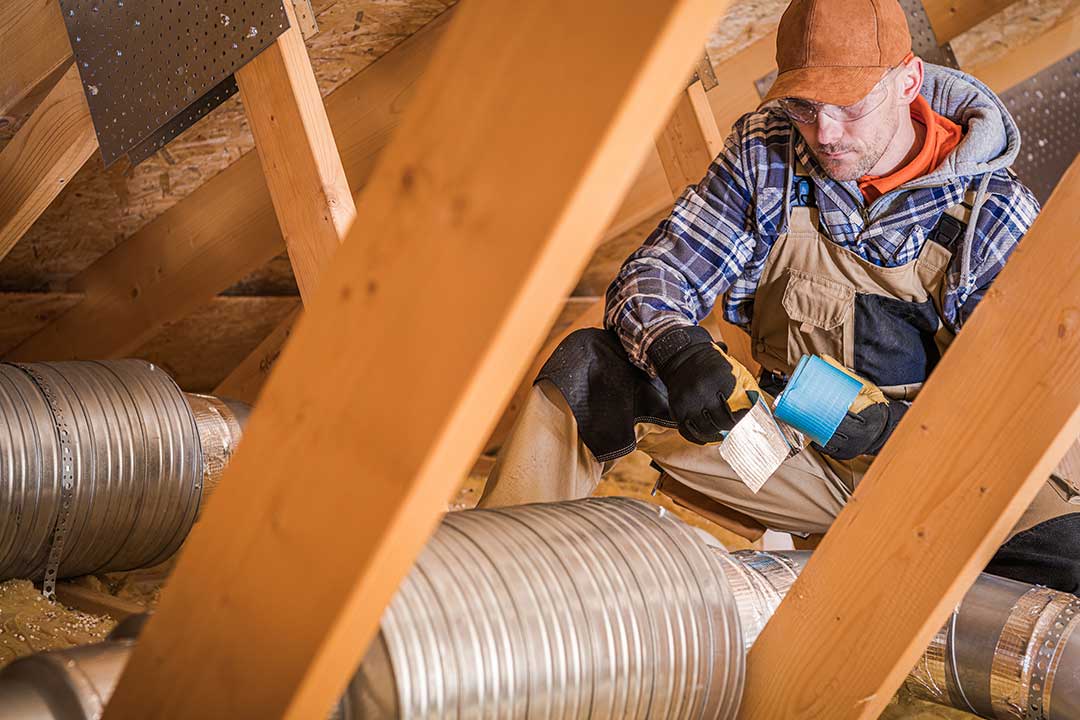
A furnace, boiler, fireplace, or water heater can produce dangerous CO if it is damaged, improperly vented, poorly adjusted, or affected by a blocked flue. Annual inspection and maintenance by a qualified technician can help identify venting and combustion problems before they become emergencies. ([cdc.gov](https://www.cdc.gov/carbon-monoxide/about/?utm_source=openai))
Blocked outdoor vents
After heavy snow or drifting, check that exterior exhaust and intake openings remain clear, but do not climb onto an unsafe roof or disturb equipment that appears damaged. A blocked vent can force combustion gases back into the home.
Portable generators
Never operate a generator inside a home, basement, garage, porch, shed, or other partly enclosed space. Keep it outdoors and more than 20 feet from windows, doors, and vents, with exhaust directed away from the building. This rule still applies when doors or windows are open. ([cdc.gov](https://www.cdc.gov/carbon-monoxide/about/?utm_source=openai))
Vehicles and gasoline-powered equipment
Never warm up or leave a vehicle running in an attached garage, even with the garage door open. Do not operate pressure washers, lawn equipment, snow blowers, or similar gasoline-powered devices indoors.
Cooking and heating practices
Never use a gas oven or range to heat the home. Charcoal grills, camp stoves, lanterns, and other outdoor-burning equipment must not be used indoors, in a garage, or in an enclosed porch.
Can you detect carbon monoxide without an alarm?
No reliable household method can detect CO through human senses. A person cannot identify it by smell, color, taste, or visible vapor. Soot, unusual flame color, condensation, or a damaged vent may suggest an appliance problem, but these clues do not measure the gas and may not appear during an active exposure.
A properly installed and maintained alarm is the primary household detection method. If an alarm activates repeatedly, do not keep resetting it. Leave the home and have the situation evaluated before returning.
What prevention habits make sense for local households?
A simple seasonal routine can reduce risk:
- Test every CO alarm monthly.
- Replace batteries when needed and replace expired alarms.
- Keep furnace, fireplace, and water-heater vents unobstructed.
- Have fuel-burning heating equipment inspected annually.
- Review generator placement before a storm or outage occurs.
- Make sure household members know two exits and where to meet outside.
- Keep emergency numbers accessible, including 911 and Poison Control at 1-800-222-1222. ([cdc.gov](https://www.cdc.gov/carbon-monoxide/about/?utm_source=openai))
Carbon monoxide protection depends on both detection and behavior. An alarm provides the warning, while prompt evacuation and safe use of fuel-burning equipment help prevent a warning from becoming a medical emergency.