

 See My Latest Article on HelloNation
How Does Duct Cleaning Relate to Indoor Air Quality?
Duct cleaning removes dust, debris, and other contaminants from a home’s forced-air HVAC system. In Massillon, OH, many residents wonder if this process noticeably improves the air they breathe at home. Simply put, duct cleaning has the potential to reduce the circulation of allergens and particles—especially if buildup or specific contamination is present.
Most local homes use ductwork for heating and cooling because of the region’s variable climate. These ducts can accumulate particles over the years, particularly in older or draftier houses.
What Actually Gets Removed During Cleaning?
The thoroughness of duct cleaning can vary, but a quality cleaning typically targets:
- Dust and construction debris—especially after renovations or repairs
- Pet dander, hair, and skin flakes
- Mold or mildew, if present from moisture problems
- Pollen and outdoor particles entering through windows, doors, or leaks
- Droppings or nesting materials from rodents or insects
- Everyday household particles settling in the system over years
In homes with visible dust at supply registers, unexplained allergy flare-ups, or evidence of pests, removing these materials may be particularly beneficial.
When Does Duct Contamination Affect Indoor Air?
Visible dirt inside the ducts, musty odors from vents, or particles blowing from registers point to possible issues. Contaminants can circulate whenever the furnace or air conditioner is running, leading to:
- Worsening of asthma or allergy symptoms for sensitive household members
- Potential spread of bacteria, fungi, or persistent dust
- Extra dusting needed due to particles settling throughout living areas
However, if ducts are properly sealed and the furnace filter is changed regularly, most normal systems do not introduce significant airborne hazards under typical circumstances.
Can Duct Cleaning Improve Health or Comfort?
Many residents ask if duct cleaning noticeably changes how a home feels or smells. Experts generally find that routine cleaning does not produce dramatic, ongoing improvements for homes without specific problems. Duct cleaning is most useful when:
- Renovations have deposited construction dust in the system
- There is mold growth verified inside hard-to-reach ductwork sections
- Household members notice unexplained respiratory irritation, and other sources are ruled out
- Animal infestations or water damage have directly affected the ducts
In homes without these conditions, dust quickly settles out in the ducts and is largely caught by air filters, limiting impact on air quality.
Are There Risks or Downsides to Duct Cleaning?
Homeowners in Massillon sometimes overlook the possible risks of improper duct cleaning—especially when performed by untrained individuals or with the wrong equipment. Problems can include:
- Loosening or damaging duct insulation, releasing more particles into the air
- Puncturing or knocking apart older, fragile duct sections
- Failing to address the root cause, such as leaks, high humidity, or filter neglect
It’s crucial to resolve moisture sources, exterior leaks, and filter issues first, then consider cleaning only if warranted by conditions.
How Often Should Duct Cleaning Be Considered in Massillon Homes?
There is no universal timeline. Most healthy, well-maintained homes in the area do not require duct cleaning as part of routine yearly care. Triggers to consider the service include:
- Completing substantial home renovation or construction projects
- Detecting rodents, insects, or water intrusion within the ducts
- Persisting dust, musty smells, or allergy-like symptoms without another explanation
For most families, regular HVAC filter changes, annual equipment inspection, and prompt attention to leaks or visible mold do more to preserve indoor air quality than frequent duct cleaning.
Common Misconceptions About Duct Cleaning and Air Quality
Some residents believe duct cleaning will remove every irritant from their homes, but there are limits. Important points to keep in mind:
- Most airborne dust and allergens originate from sources inside the home—carpets, furniture, and people—rather than from the ducts
- High-efficiency air filters on the furnace capture most large particles before they circulate
- Cleaning ducts does not remove household odors caused by pets, cooking, or dampness elsewhere
Focusing first on overall cleanliness, moisture control, and air filter replacement is usually more effective for healthy indoor air.
What Practical Steps Support Better Air Quality Alongside (or Without) Duct Cleaning?
Those concerned about dust, allergies, or musty smells can take these steps to complement or sometimes avoid the need for cleaning:
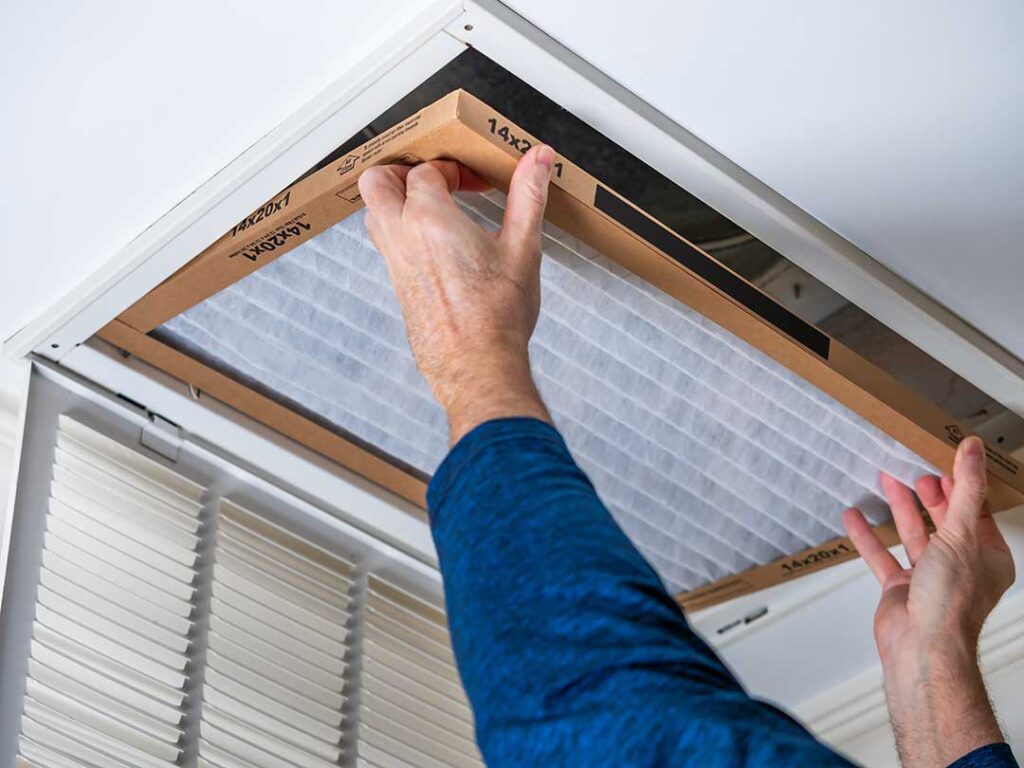
- Use high-quality, properly sized furnace filters and replace them regularly—generally every 1-3 months, depending on household conditions
- Address any HVAC leaks or water damage swiftly
- Control humidity indoors to discourage mold and dust mite growth, especially in the spring and fall
- Keep household surfaces vacuumed and wiped
- Seal or weatherstrip drafty doors, windows, and attic spaces to reduce outdoor particle entry
In most local homes, these regular maintenance habits do more to improve comfort and air quality for families than routine duct cleaning alone.