

 See My Latest Article on HelloNation
Ductless mini split systems can provide efficient heating and cooling without the large network of air ducts used by traditional forced-air equipment. They are often useful for additions, older homes, converted spaces, and rooms that never stay comfortable with the existing system.
For homeowners in Massillon, OH, the decision depends on more than energy efficiency. Winter temperatures, summer humidity, insulation quality, room layout, electrical capacity, and the condition of the home all affect whether a ductless system is a sensible choice.
What is a ductless mini split system?
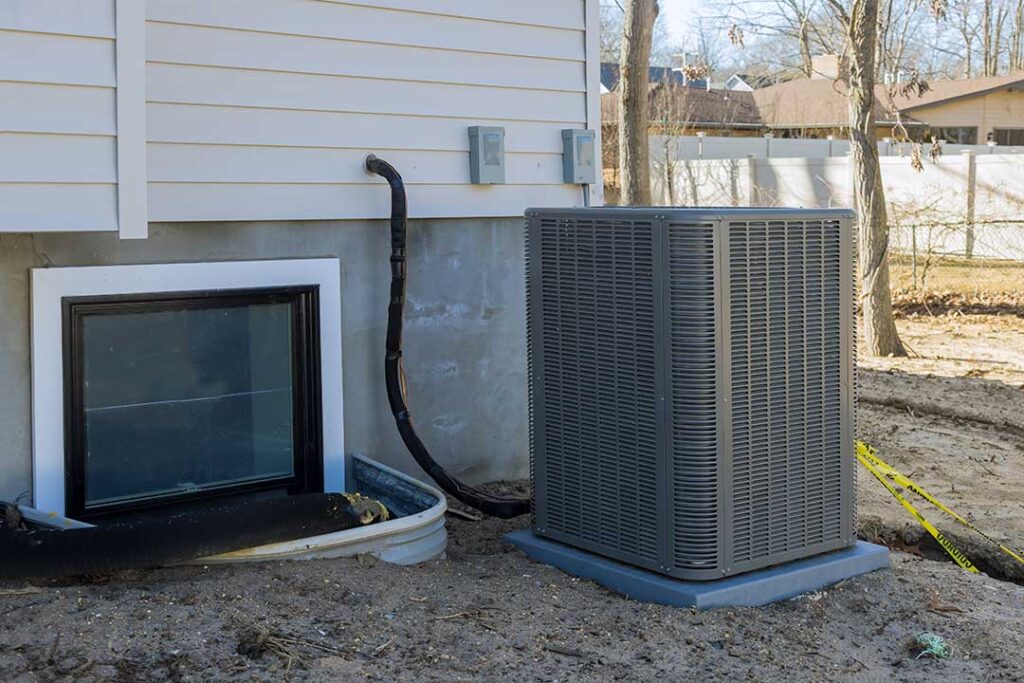
A ductless mini split uses an outdoor heat pump connected to one or more indoor air-handling units. Refrigerant lines and wiring pass through a small opening in the wall, so conditioned air reaches the room without requiring supply and return ducts.
A typical system includes:
- An outdoor condenser and heat pump
- One or more indoor wall-mounted, ceiling-mounted, or concealed units
- Refrigerant lines, electrical wiring, and a condensate drain
- Individual controls for each indoor zone
A single-zone system serves one room or open area. A multi-zone system connects several indoor units to one outdoor unit, allowing different areas to be heated or cooled separately.
Unlike a window air conditioner, a mini split is permanently installed and can usually provide both cooling and heating. The heating function operates as a heat pump, transferring heat from outdoor air into the home.
What are the main advantages?
The strongest benefits are zoning, installation flexibility, and the ability to avoid extending ductwork.
Zoning and room-by-room control
Each indoor unit can serve a specific zone. Bedrooms can be kept cooler than living areas, and an infrequently used room does not have to receive the same amount of heating or cooling as the rest of the home.
This can be helpful in homes with:
- Finished or partially finished lower levels
- Second-floor bedrooms
- Enclosed porches or additions
- Home offices
- Detached or separated living spaces
- Rooms that are consistently warmer or colder than the rest of the house
Zoning does not automatically guarantee lower energy use. Savings depend on how the system is operated, how well the home is insulated, and whether unused areas are actually set back.
No large duct installation
Ductless equipment can avoid the disruption of opening ceilings, removing walls, or building soffits to install supply and return ducts. This makes it attractive for older homes, additions, and rooms where extending the existing duct system would be difficult.
The small wall penetration also gives installers more placement flexibility than a window unit or portable air conditioner.
Efficient cooling and heating
Ductless heat pumps generally avoid the distribution losses associated with poorly sealed or uninsulated ducts. Variable-speed equipment can also adjust its output rather than cycling fully on and off every few minutes.
During cooling season, this may improve comfort and humidity control when the system is correctly sized. During moderate winter weather, the heat pump can provide efficient heat without burning fuel directly in the home.
Quiet operation
Indoor mini split units are usually quieter than window air conditioners and many older forced-air systems. The outdoor compressor is also located away from living areas, although it can still produce sound during operation.
Useful for targeted comfort problems
A ductless system can address a particular comfort issue without replacing an entire heating and cooling system. For example, a home may retain its existing furnace while a mini split serves a new addition or a room that lacks adequate ductwork.
What are the disadvantages?
The drawbacks include visible indoor equipment, maintenance requirements, installation limitations, and the need for a backup heating plan in some homes.
Wall-mounted indoor units are visible
The most familiar indoor units are mounted high on a wall. They are less hidden than floor registers or central-air grilles and may affect furniture placement, lighting, and room appearance.
Concealed or ceiling-mounted options exist, but they can require more complex construction and may not fit every room.
Several zones can increase complexity
Multi-zone systems offer flexibility, but they also involve more indoor units, more control settings, and more components that require cleaning. A problem with the outdoor unit can affect every connected zone.
Different rooms may also have different heating and cooling needs. A system designed mainly around summer cooling may not distribute winter heat evenly through closed rooms.
Indoor units need regular cleaning
Filters and air inlets collect dust, lint, pet hair, and other debris. Dirty filters restrict airflow and can reduce comfort and efficiency. Indoor coils and blower wheels may also need periodic cleaning, especially in homes with pets, smoking, renovation dust, or high indoor humidity.
Most routine filter cleaning is straightforward, but neglected equipment can develop odors, reduced airflow, or drainage problems.
Heating performance changes in cold weather
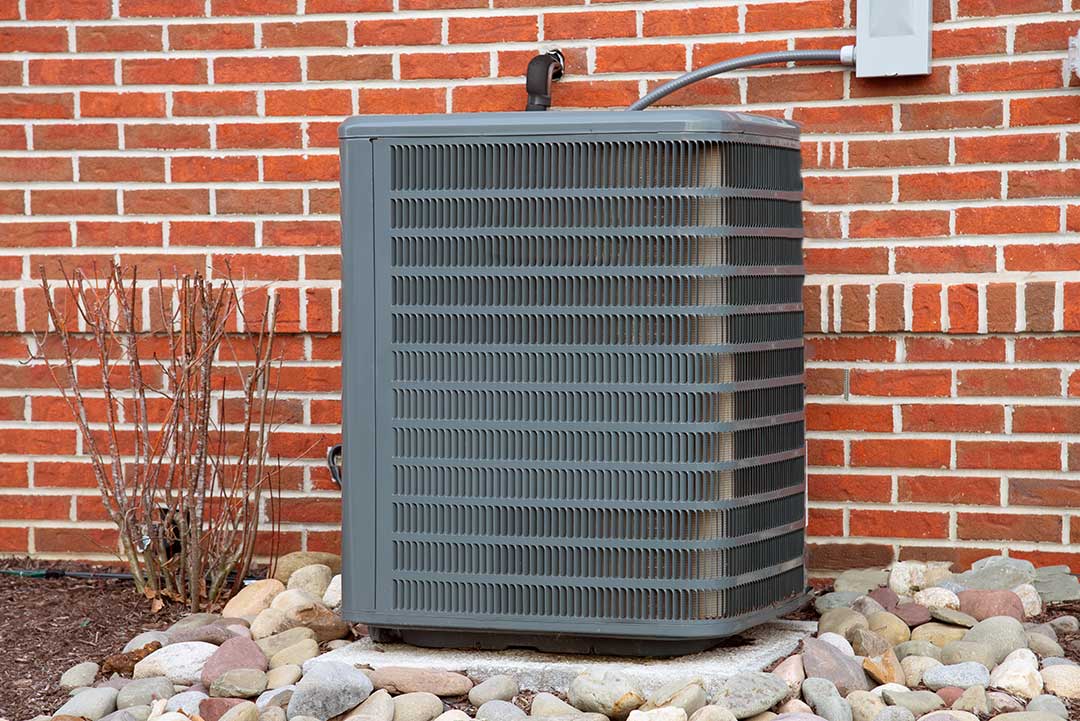
A mini split heat pump can continue operating during cold conditions, but its heating capacity and efficiency decrease as outdoor temperatures fall. The exact performance depends on the equipment model, outdoor temperature, wind exposure, and building heat loss.
For Massillon, OH homes, winter design conditions should be considered before relying on a ductless heat pump as the only heat source. Some households use electric resistance backup, a furnace, a boiler, or another heating system for the coldest periods.
Defrost cycles can temporarily interrupt heating
When a heat pump extracts heat from cold outdoor air, frost can form on the outdoor coil. The system periodically enters a defrost cycle to remove it. During that brief period, heating output may pause or change.
This is normal operation, not necessarily a malfunction. However, frequent or prolonged defrosting can indicate airflow problems, blocked outdoor coils, refrigerant issues, or unusually difficult operating conditions.
Electrical requirements may be a concern
Some installations require a dedicated electrical circuit or panel capacity that older homes do not have. The electrical work, line-set routing, condensate drainage, outdoor mounting, and wall penetrations all need to be planned together.
Are ductless mini splits good for older homes?
They can be, but the system should not be used to compensate for major building problems. Air leaks, inadequate insulation, moisture intrusion, and poorly sealed windows can create comfort issues that no heating or cooling system will fully solve.
Older homes may benefit from ductless equipment because adding new ductwork is difficult. At the same time, irregular room layouts and limited wall space may make zone planning more complicated.
A room-by-room heat-loss and heat-gain assessment is more useful than choosing equipment based only on square footage. Oversized systems may cycle too frequently, while undersized systems may struggle during extreme weather.
Can a mini split replace a furnace or central air conditioner?
Sometimes, but not always. A properly selected cold-climate heat pump may provide most or all routine heating, yet the home still needs a plan for unusually cold weather, equipment failure, or power interruptions.
A mini split may also serve as a supplemental system while the existing furnace or boiler remains in place. This arrangement can work well when only certain rooms need cooling or when the central system does not serve an addition.
Homes with many small rooms may be less suitable for a few wall-mounted units because air movement between closed rooms is limited. Multiple indoor units may be required for consistent comfort.
What should homeowners evaluate before choosing one?
The most useful questions are practical:
- Which rooms need separate heating or cooling?
- Is there space for indoor units without blocking furniture or wall openings?
- Can refrigerant lines and condensate drains be routed cleanly?
- Is the electrical panel adequate?
- How will the home be heated during the coldest weather?
- Is the outdoor unit protected from snow, drifting, leaves, and roof runoff?
- Can filters and indoor coils be reached safely for cleaning?
- Are insulation and air sealing adequate?
- Will doors usually remain open between zones?
A ductless mini split is neither universally superior nor unsuitable. It is often a strong solution for targeted zones and spaces without ductwork, while a central or hydronic system may remain more practical for homes that need even conditioning throughout many enclosed rooms.