

 See My Latest Article on HelloNation
What Is a Heat Pump?
A heat pump is a device that both heats and cools homes using electricity and a refrigeration cycle, rather than burning fuel. In areas like Massillon, OH, where seasons bring both cold winters and humid summers, a heat pump can provide year-round comfort by shifting heat in or out of the house as needed.
Unlike traditional furnaces or air conditioners, a heat pump moves heat instead of creating it. In winter, it pulls warmth from the outside air—even when it feels cold—and brings it indoors. In summer, the process reverses, extracting heat from inside and moving it outside to cool the home.
How Does a Heat Pump Work?
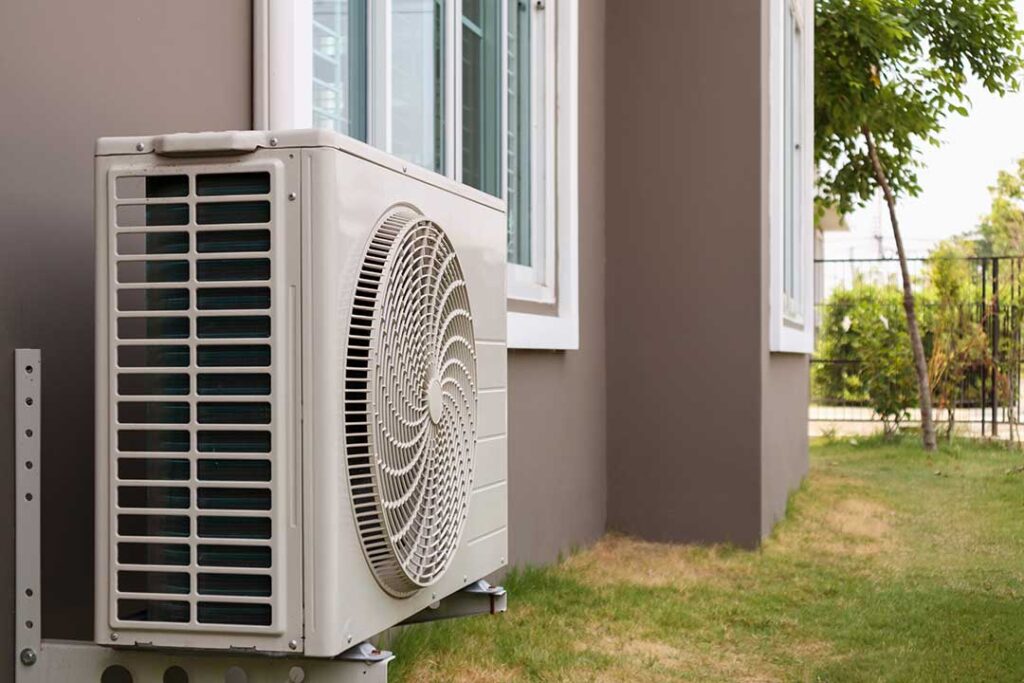
A heat pump operates on a simple but clever principle: heat energy can be moved, even from cooler places, with the right technology. The system consists of an outdoor unit, an indoor unit, and refrigerant lines connecting them.
Here’s a brief overview:
- In colder months, the outdoor unit absorbs heat from the outside air. The refrigerant inside the coils captures this thermal energy, then travels to the indoor unit through insulated pipes.
- Indoors, the heat is released and blown throughout living spaces.
- In warmer months, the system runs in reverse. It draws heat from inside the home and releases it outside, making interior spaces cooler.
This process is not only efficient but can also be more sustainable since it doesn’t rely on combustion.
Do Heat Pumps Work in Cold Weather?
Yes, modern heat pumps are designed to operate efficiently in the winter temperatures commonly experienced in Massillon. Many older models struggled when outdoor temperatures dropped sharply, but current technology uses advanced refrigerants and special compressors that perform reliably in freezing conditions.
However, extremely cold spells can reduce efficiency. Local homes sometimes use supplemental heating—like electric resistance strips built into the pump or a backup furnace—for the coldest days. Overall, for most winter days in the city, a heat pump can keep homes comfortable without additional help.
What Types of Heat Pumps Are Common in This Region?
Most homes in Massillon use air-source heat pumps. These move heat between the house and the outdoor air. They are easier and cheaper to install than geothermal heat pumps, which transfer heat from the ground but require extensive excavation.
For single rooms or smaller homes, mini-split (ductless) air-source systems are an option. These combine several indoor units with one outdoor unit, allowing for zone-based heating and cooling and potentially greater efficiency in specific situations.
What Are the Local Benefits and Limitations?
Installing a heat pump can bring both benefits and challenges to area households:
Benefits:
- Provides both heating and cooling in one system
- Often more energy efficient than electric resistance heating
- May lower electricity bills compared to older systems
- Supports climate goals due to efficient electricity use
- Consistent comfort throughout the seasons
Limitations:
- May lose effectiveness during long, extreme cold spells—the kind that sometimes occur in Northeast Ohio winters
- Homes with poor insulation or older ductwork may experience reduced efficiency
- Initial investment can be higher than a standard air conditioner or furnace, though cost may be offset over years by energy savings
How Do Heat Pumps Compare to Traditional Systems?
In Massillon’s mixed climate, residents often wonder how heat pumps stack up against gas furnaces or central air conditioners. While a gas furnace can produce hotter air in the winter, a heat pump delivers steady, gentle warmth. In cooling mode, it performs much like central air but may use less energy in mild spring and fall weather.
A common misconception is that heat pumps cannot heat well in the Midwest. With today’s technology, most systems can handle the vast majority of local winter conditions efficiently, especially when homes are weatherized and well-insulated.
Are Heat Pumps Difficult to Maintain?
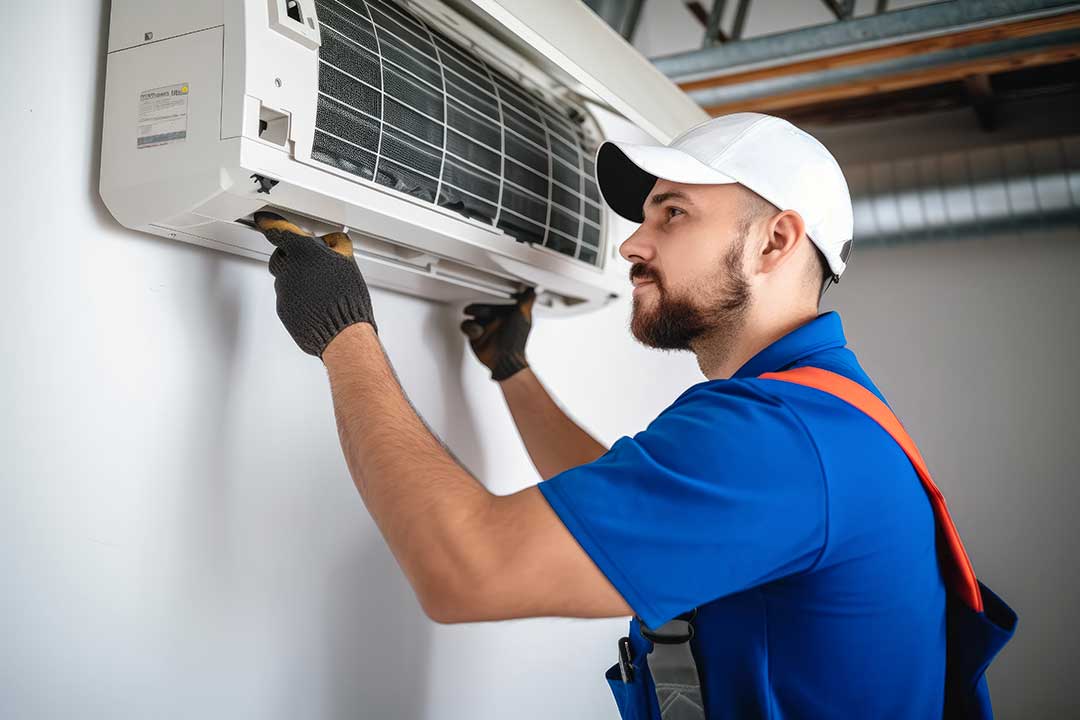
Routine maintenance for a heat pump is similar to that for an air conditioner. Homeowners should:
- Check and replace filters regularly
- Keep indoor and outdoor units free of debris
- Clear snow and ice away from the outdoor unit in winter
An annual checkup by a qualified technician (or local utility advisor) is usually enough to keep the system running efficiently.
What Should Residents Consider Before Choosing a Heat Pump?
The suitability of a heat pump for a particular home depends on several factors:
- Home insulation and air sealing
- Existing ductwork condition (for ducted models)
- Desired comfort settings
- Local electricity rates
Proper sizing and installation are critical. Oversized or undersized systems won’t perform as efficiently and may shorten equipment lifespan.
Consulting with a local utility or energy-advising program can provide insight into what kind of heating and cooling technology makes sense for your needs, without tying the decision to a particular brand or vendor.