

 See My Latest Article on HelloNation

Annual HVAC tune-ups are routine inspections and maintenance visits designed to keep heating and cooling equipment operating safely, efficiently, and reliably. For households in Massillon, OH, this preparation is especially useful because the system may work through cold winter conditions, humid summers, and long periods of seasonal change.
A tune-up does not guarantee that equipment will never fail. It does, however, provide an opportunity to identify wear, restricted airflow, electrical concerns, drainage problems, and other issues before they become larger disruptions.
What does an annual HVAC tune-up include?
A proper tune-up is more than changing an air filter. It generally involves inspecting, cleaning, testing, and adjusting the components that affect system performance and safety.
For a furnace, common tasks may include:
- Checking the thermostat and control sequence
- Inspecting electrical connections and safety controls
- Examining the heat exchanger for visible damage or corrosion
- Cleaning or inspecting the burner and ignition components
- Checking the blower assembly and airflow
- Inspecting the flue or venting system
- Measuring temperature rise and evaluating system operation
For an air conditioner or heat pump, the inspection may include:
- Cleaning the outdoor coil and checking for airflow restrictions
- Inspecting refrigerant lines and looking for signs of leakage
- Checking electrical components, capacitors, and connections
- Examining the indoor coil and condensate drain
- Measuring temperature difference across the system
- Testing controls, fans, and compressor operation
The exact work depends on the equipment type, age, condition, and maintenance history. A tune-up should include operational testing, not just a visual glance at the equipment.
Why is yearly maintenance useful in this area?
Seasonal weather places different demands on HVAC equipment throughout the year. Heating systems may run frequently during extended cold periods, while air conditioners often operate for long stretches during warm and humid weather.
A system that has been idle for several months can develop issues that are not obvious until it is needed. Dust may collect on components, electrical connections may loosen, belts may wear, and condensate drains may become restricted. Outdoor equipment can also be affected by leaves, grass clippings, moisture, and seasonal debris.
Annual maintenance is useful because it helps confirm that the equipment is ready before the season brings its greatest workload. Testing a furnace before the coldest weather or checking an air conditioner before sustained summer heat can reduce the chance of discovering a problem during an emergency.
Can a tune-up lower energy use?
Maintenance can help HVAC equipment use energy more effectively, particularly when dirt, poor airflow, loose connections, or worn components are affecting operation. A clogged filter or dirty coil makes the system work harder to move air and transfer heat. A blower problem can reduce airflow, while an inaccurate thermostat or faulty sensor can cause unnecessary cycling.
The potential energy savings vary widely. A clean, well-maintained system may show little change, while neglected equipment may operate noticeably better after service. Maintenance should not be viewed as a guarantee of lower utility bills, but it can help prevent avoidable inefficiency.
Energy use is also influenced by insulation, duct leakage, thermostat settings, weather, equipment size, and household habits. A tune-up addresses the HVAC equipment itself, not every factor affecting heating and cooling costs.
Does maintenance extend equipment life?
Routine maintenance may reduce unnecessary strain on major components and help equipment remain dependable for a longer period. Problems such as restricted airflow, overheating, refrigerant loss, or repeated short cycling can place additional stress on motors, compressors, heat exchangers, and electrical parts.
That does not mean maintenance can prevent normal aging. Parts eventually wear out, and older systems may become less efficient or more difficult to repair. However, identifying smaller problems early may help avoid damage that could shorten the useful life of the system.
Maintenance records can also help household owners understand how an HVAC system is changing over time. Repeated repairs, declining performance, unusual operating sounds, or increasingly uneven temperatures may indicate that the system is approaching the end of its practical service life.
When should a Massillon household schedule a tune-up?
Heating equipment is generally checked before the main heating season, while cooling equipment is often inspected before regular summer use. Early fall and early spring are common maintenance periods because they occur before the system is placed under its heaviest seasonal demand.
The ideal timing may depend on the household’s schedule and equipment type. A heat pump, for example, provides both heating and cooling and may benefit from more frequent attention than a system used for only one season.
Waiting until the first very cold or very hot day can make a maintenance issue more urgent. Seasonal preparation is less stressful when there is time to investigate unusual noises, weak airflow, inconsistent temperatures, or rising energy use.
Is changing the filter enough?
No. Replacing the air filter is one of the most useful routine tasks, but it does not replace a complete tune-up.
The filter protects indoor air quality and helps keep dust from collecting on internal components. If it becomes loaded with debris, airflow may decline and the system may run longer. Filter replacement intervals vary based on filter design, household occupancy, pets, construction dust, and indoor air quality concerns.
A filter cannot reveal a damaged heat exchanger, a failing capacitor, a blocked condensate drain, a refrigerant problem, or an unsafe venting condition. These issues require inspection and testing of the equipment itself.
What warning signs should not wait for routine maintenance?
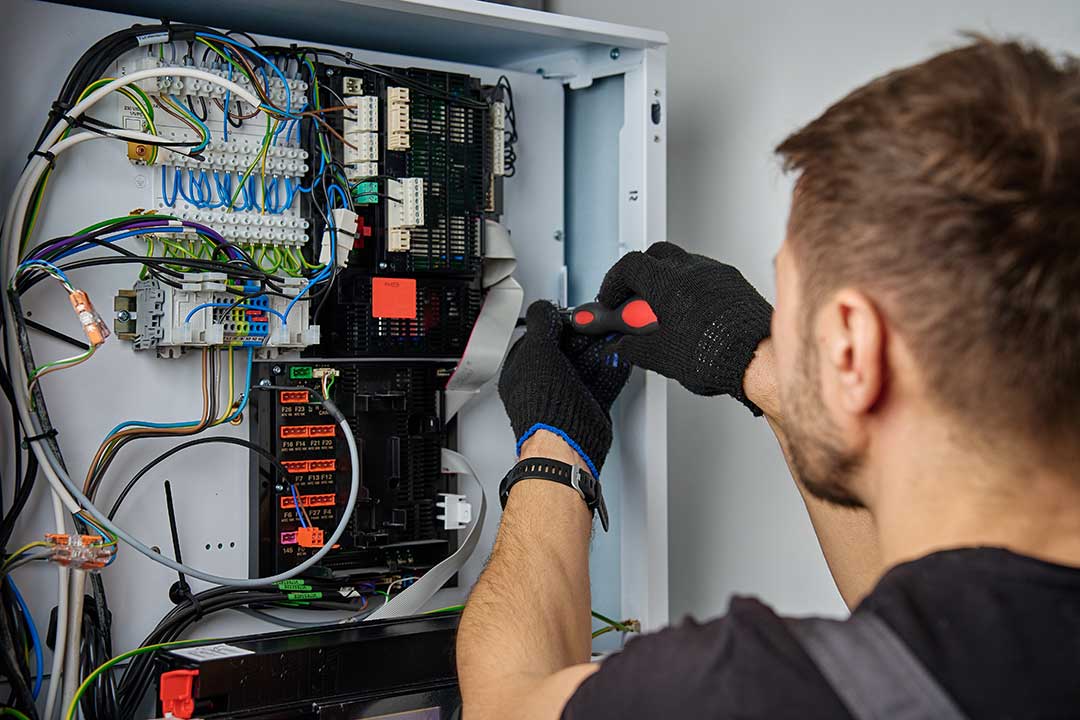
Certain symptoms suggest that a system needs attention sooner rather than later. Examples include:
- Burning odors that do not quickly disappear
- Repeated circuit-breaker trips
- Carbon monoxide alarm activation
- Water near the furnace, air handler, or indoor coil
- Loud grinding, scraping, rattling, or squealing
- A system that starts and stops repeatedly
- Little airflow from supply vents
- Rooms that remain unusually hot or cold
- A sudden increase in energy use without a clear explanation
A carbon monoxide alarm should always be treated seriously. If it sounds, occupants should leave the building and follow local emergency guidance. HVAC equipment that produces smoke, a strong fuel odor, or evidence of overheating should not continue operating until the hazard has been addressed.
What can residents safely check themselves?
Households can handle several basic maintenance steps without opening sealed equipment or working with fuel, refrigerant, or high-voltage components.
Useful checks include:
- Replacing or inspecting the air filter
- Keeping supply and return vents unobstructed
- Removing leaves and grass from around outdoor equipment
- Checking that the outdoor unit has adequate clearance
- Looking for standing water near indoor equipment
- Confirming that the thermostat has appropriate settings and fresh batteries when needed
- Listening for new or unusual operating sounds
Tasks involving electrical panels, gas connections, refrigerant, combustion testing, or internal safety controls require appropriate training and equipment. Unsafe adjustments can create fire, electrical, carbon monoxide, or equipment hazards.
Can newer HVAC systems skip annual tune-ups?
New equipment still benefits from periodic inspection. Newer systems may include more advanced controls, variable-speed motors, electronic sensors, and drainage components that require proper testing. A recently installed system can also develop issues caused by restricted ductwork, incorrect airflow, installation problems, or environmental conditions.
Annual maintenance is not a substitute for following the equipment manufacturer’s instructions. The owner’s manual may specify inspection intervals, filter requirements, cleaning procedures, and warranty conditions. Keeping records of maintenance, repairs, filter changes, and unusual symptoms creates a useful history for future troubleshooting.
For homes in Massillon, regular HVAC attention is most valuable when treated as seasonal preparation rather than an emergency response. It helps identify developing problems, supports safer operation, and gives residents clearer information about the condition of the equipment before demanding weather arrives.