

 See My Latest Article on HelloNation
Why Does Indoor Air Quality Matter in Massillon, OH?
Indoor air quality can significantly impact comfort and health, especially in a community where homes are sealed tightly during cold winters and pollen counts rise each spring. Residents often wonder why symptoms like dry skin, congestion, or recurring dust buildup seem worse indoors. Common contributors include heating system use, humidity changes, local pollen, and everyday household activities such as cooking and cleaning. Understanding these factors can help households maintain healthier air year-round.
What Causes Poor Indoor Air Quality in Local Homes?
Key contributors in the Massillon area include dust, pollen, mold spores, pet dander, and contaminants produced by cooking or burning candles. Natural gas heating may contribute trace amounts of carbon monoxide or nitrogen dioxide if equipment isn’t properly maintained. During the winter, houses are usually well-sealed to keep out the cold, trapping indoor pollutants. In spring and early summer, open windows can let in pollen and outdoor particulates.
Humidity swings—the shift from dry winter air to sticky summer weather—also affect air quality. Damp basements or crawl spaces can become sources of mold and mildew, while low humidity in winter can cause uncomfortable dryness and airborne dust.
How Can Residents Reduce Common Allergens Indoors?
Regular cleaning and minimizing allergen entry are both effective ways to keep allergen levels manageable. Helpful steps include:
- Using door mats and encouraging family members to remove shoes at the door
- Washing bedding weekly in hot water
- Pet owners brushing animals outside and washing pet bedding frequently
- Dusting with a damp cloth rather than dry dusters, which spread particles
- Vacuuming with a machine equipped with a HEPA filter
Many residents find that controlling pollen and dust during spring and fall requires closing windows on high-pollen days and using air conditioning instead.
What Role Does HVAC Maintenance Play?
Your home’s heating and cooling system is central to managing airborne particles. Replacing HVAC filters regularly—usually every 1 to 3 months—helps trap dust, dander, and other particles before they circulate. In Massillon, where homes rely on forced-air heat much of the year, a dirty or overloaded filter will reduce airflow and degrade indoor air quality.
It’s also wise to check that ducts are sealed properly, as leaks can pull in dust from crawl spaces or attics. Periodic inspections for visible mold or debris in accessible ductwork can be useful, especially if household members have allergies or respiratory concerns.
Do Houseplants Really Improve Air Quality?
Some people hope that adding houseplants will noticeably purify indoor air. While plants can remove small amounts of certain pollutants, scientific studies show they’re not a substitute for active filtration or ventilation. Houseplants can, however, improve humidity and add a sense of comfort—just be mindful of mold growth in overwatered soil.
Does Humidity Affect Respiratory Comfort?
Balanced humidity is key to comfort and prevents problems such as static electricity, dry nasal passages, or mold growth. During Massillon’s winters, low humidity is common, so running a humidifier may help keep levels between 30-50%. In spring and summer, high humidity can cause musty odors and promote mold—so dehumidifiers or air conditioners help maintain healthy moisture levels.

Residents should never let humidity stay consistently above 60% indoors, as this can encourage dust mites and mold. Simple hygrometers are inexpensive tools to measure home humidity.
How Can Ventilation Be Improved Naturally?
Air exchange is sometimes overlooked but plays a vital role in keeping a home fresh. On days with mild pollen counts and good outdoor air quality, briefly opening windows each day allows indoor air to be refreshed. In modern, tightly sealed homes, using kitchen and bathroom exhaust fans during cooking or showering removes moisture and odors more efficiently.
If your home is older or has a musty basement, improving ventilation with window fans or investing in a heat recovery ventilator system may help, especially if there are persistent odors or signs of moisture.
Are Air Purifiers Worth Using?
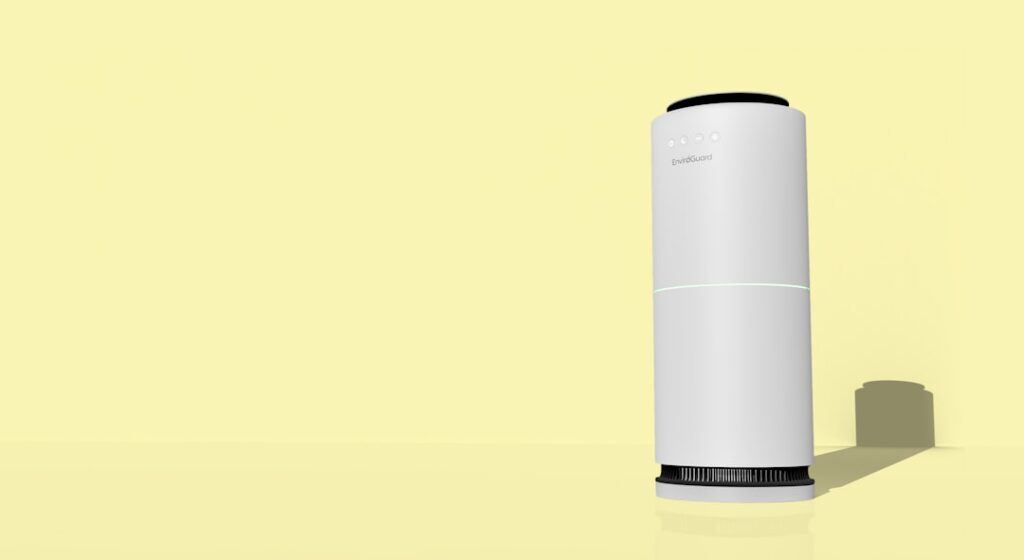
Portable air purifiers equipped with HEPA filters can be effective for cleaning the air in bedrooms or living areas, especially when allergy or asthma symptoms are present. These devices trap fine particles and, in some cases, may reduce certain volatile organic compounds (VOCs) that come from paints, cleaners, or new furniture.
Purifiers should be appropriately sized for the room and maintained according to the manufacturer’s directions—filter replacement is essential for continued effectiveness. While not always necessary for every home, they can be helpful additions if other steps are not fully addressing indoor air concerns.
What Are Common Misconceptions About Indoor Air Quality?
A frequent misconception is that air inside is always safer or cleaner than outdoor air. In reality, tightly sealed dwellings can trap pollutants, making it important to maintain balance through ventilation and filtration. Another myth is that visible cleanliness means good air quality; many harmful particles are microscopic and not caught by regular dusting.
DIY air fresheners, sprays, or plug-in scent devices can sometimes worsen air quality by adding irritants. Instead, controlling sources of pollution and promoting fresh air are more effective approaches.
How Can Local Households Track Air Quality Over Time?
Keeping track of symptoms—such as recurring cough or congestion—or noticing when dust seems to build up quickly can help identify air quality changes. Small, inexpensive indoor air monitors are available that measure fine particulates or carbon dioxide, offering feedback on household trends, especially if someone in the home is sensitive or has respiratory issues.
Responsibility for indoor air quality is ongoing; periodic checks and adapting household habits to the season help create a more comfortable home. Massillon residents can benefit from understanding how local conditions and climate patterns play into indoor comfort, using seasonal routines to stay one step ahead.