

 See My Latest Article on HelloNation
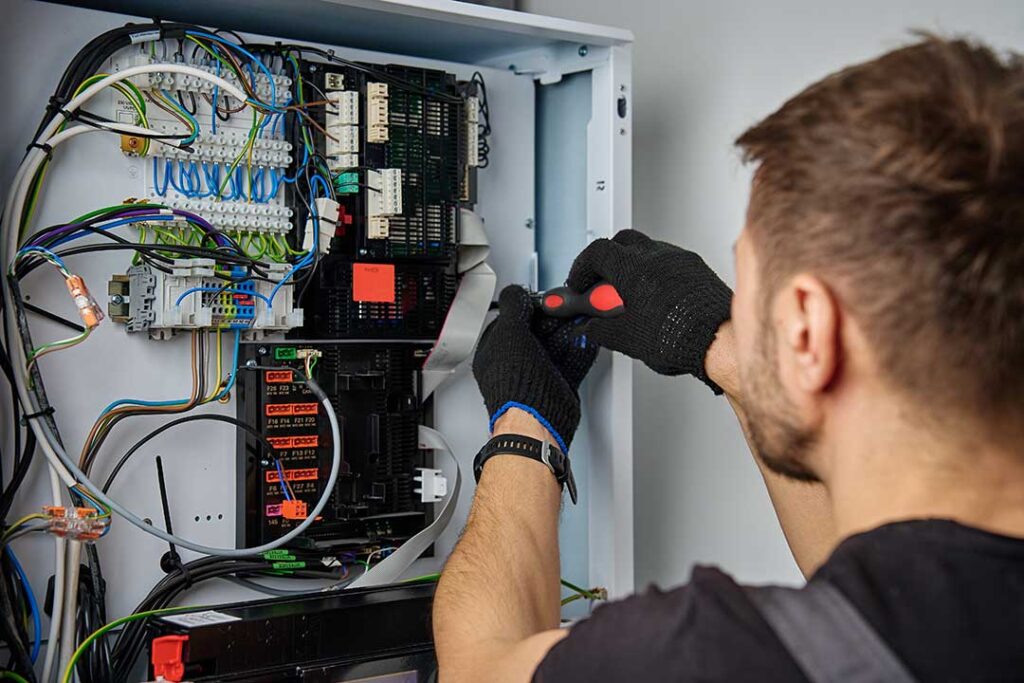
What Causes Higher Energy Bills in Massillon, OH?
Unusually high energy bills often leave residents wondering what changed. In Massillon, a mix of climate, home age, and lifestyle all play a role. Most causes of higher costs can be traced to how a home uses heating and cooling and the condition of household equipment.
Are Heating and Cooling Systems Using Too Much Power?
Yes, inefficient or aging heating and cooling equipment is a leading cause of expensive energy bills in the city.
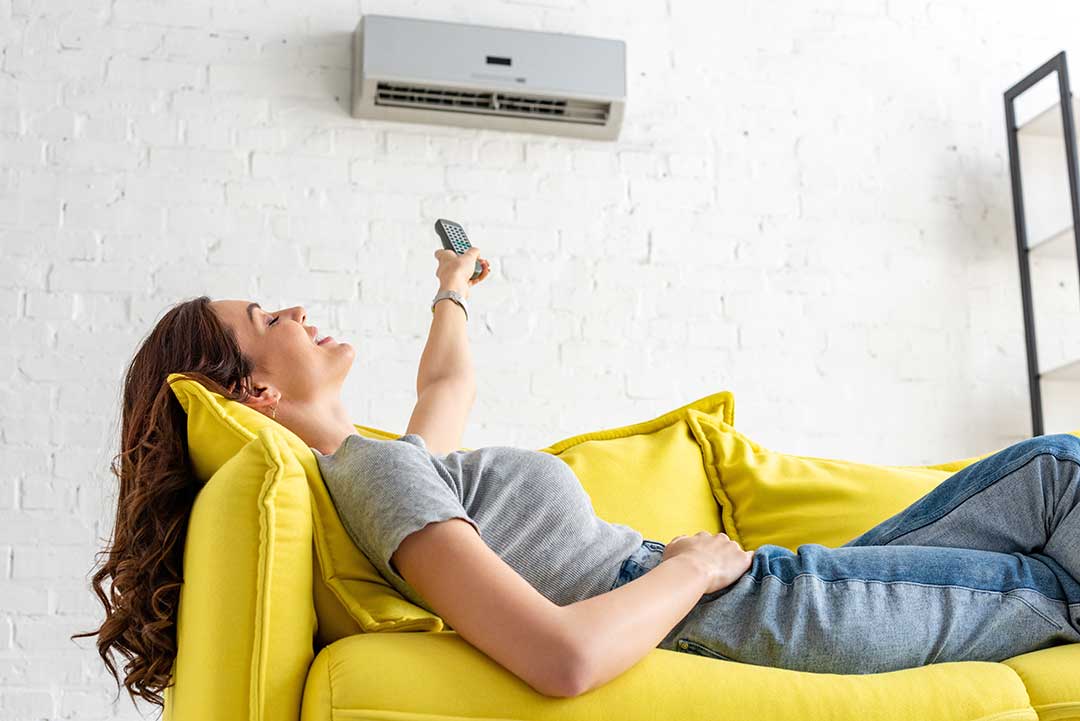
Furnaces and air conditioners in Massillon homes often work harder because of our humid summers and chilly winters. If a system is more than 10-15 years old or hasn’t had regular maintenance, it runs less efficiently. This means more energy is used to achieve the same temperature.
Common warning signs include:
- Longer running times to heat or cool rooms
- Uneven temperatures between rooms
- Equipment that cycles on and off frequently
Small issues—like a clogged filter or dirty condenser coils—force systems to use more electricity or fuel. Simple maintenance tasks, like changing filters and keeping outdoor units clear of leaves or debris, can sometimes lower costs noticeably.
Could Insulation and Drafts Be Causing Energy Loss?
Definitely. Older homes in the city often struggle with outdated or insufficient insulation. Even in newer houses, small gaps around windows or doors can allow warm or cool air to escape. When conditioned air leaks out, heating and cooling systems must run longer and harder.
Key areas to check:
- Attics and crawl spaces (where insulation can settle or degrade)
- Exterior door and window seals
- Basements and unfinished areas
In Massillon, weatherstripping and adding blown-in attic insulation are simple ways many homeowners reduce leaks and improve energy efficiency.
Do Thermostat Settings Matter?
Thermostat habits can quickly impact utility bills. Inconsistent temperatures or setting the thermostat unusually high in winter (or low in summer) increases use. Programmable or smart thermostats help area residents avoid heating or cooling an empty house.
Simple practices to try:
- Adjusting the thermostat by a few degrees
- Using energy-saving setback schedules, especially at night or when away
Many households overestimate how fast temperature changes will occur and set their systems to extreme temperatures. This usually leads to longer operation and higher bills rather than faster comfort.
Are Appliances and Lighting Major Factors?
While heating and cooling use the most energy, older or inefficient appliances also add to the monthly total. Homes in Massillon with second refrigerators, outdated water heaters, or frequently used space heaters may see much higher bills, particularly in winter months.
Additional contributors:
- Leaving lights on in unused rooms
- Using high-wattage incandescent bulbs instead of LED options
- Running laundry or dishwashing machines with partial loads
A home energy audit or reviewing electric usage history often reveals which appliances are the biggest drivers of costs.
Can Outdoor Weather Impact My Utility Bill?
Absolutely. Weather extremes common to Massillon can quickly drive up energy use. Prolonged heat waves, sudden cold snaps, or higher-than-average humidity mean longer or harder operation for both heating and cooling equipment.
During harsh spells, even well-maintained systems work harder. Checking home weatherization steps—such as using heavy curtains, sealing foundations, or setting ceiling fans to circulate air—helps reduce the impact.
Are There Hidden or Overlooked Sources of Energy Waste?
Some causes aren’t obvious right away. Many local homes have older ductwork that leaks treated air into attics, walls, or basements, so even new systems can lose efficiency. Plugged dryer vents, faulty exhaust fans, or persistent leaks in water pipes can also cause unseen increases in electricity or heating use.
A few often-missed issues:
- Poorly connected or sealed ducts
- Hot water pipes with minimal or no insulation
- Appliances or chargers left plugged in continuously (“phantom load”)
Reviewing less-used rooms and utility areas sometimes uncovers these hidden energy drains.
How Do Family Habits and Household Size Affect Costs?
Random spikes in energy use are sometimes due to new routines. More people home during the day, new entertainment gear, or even leaving doors open more frequently—each can slightly raise total consumption. Extended holiday visits, at-home schooling, or running portable air conditioners or heaters add up over weeks and months.
Noticing when bills change often helps pinpoint if a lifestyle factor is at play instead of a system problem.